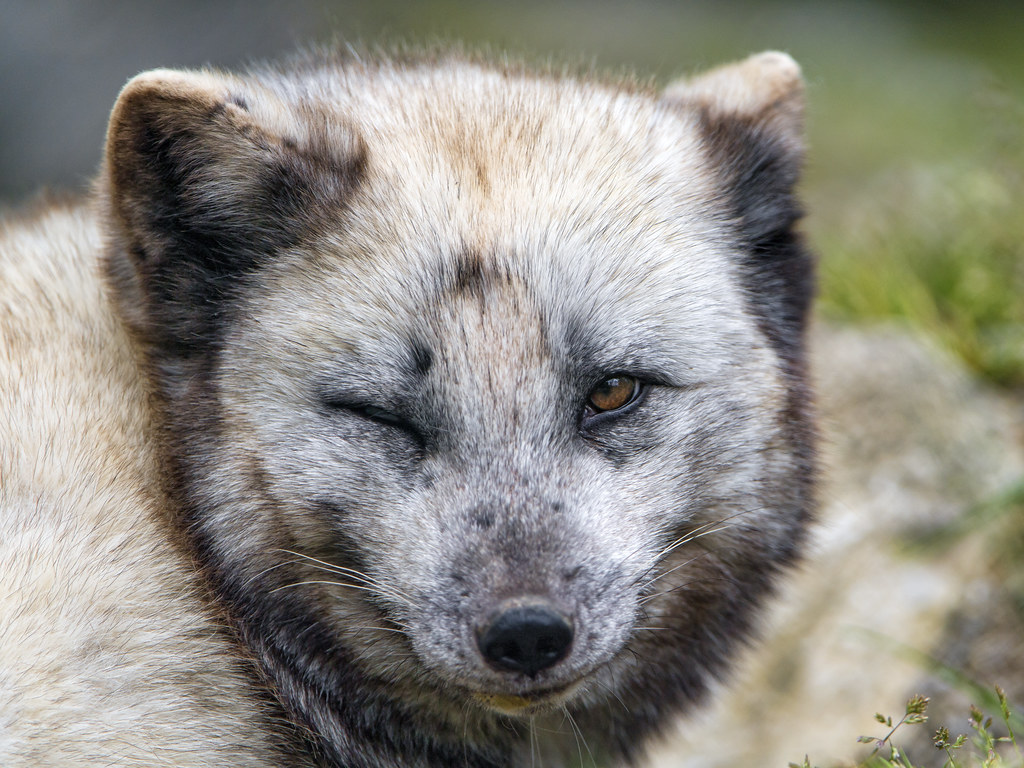
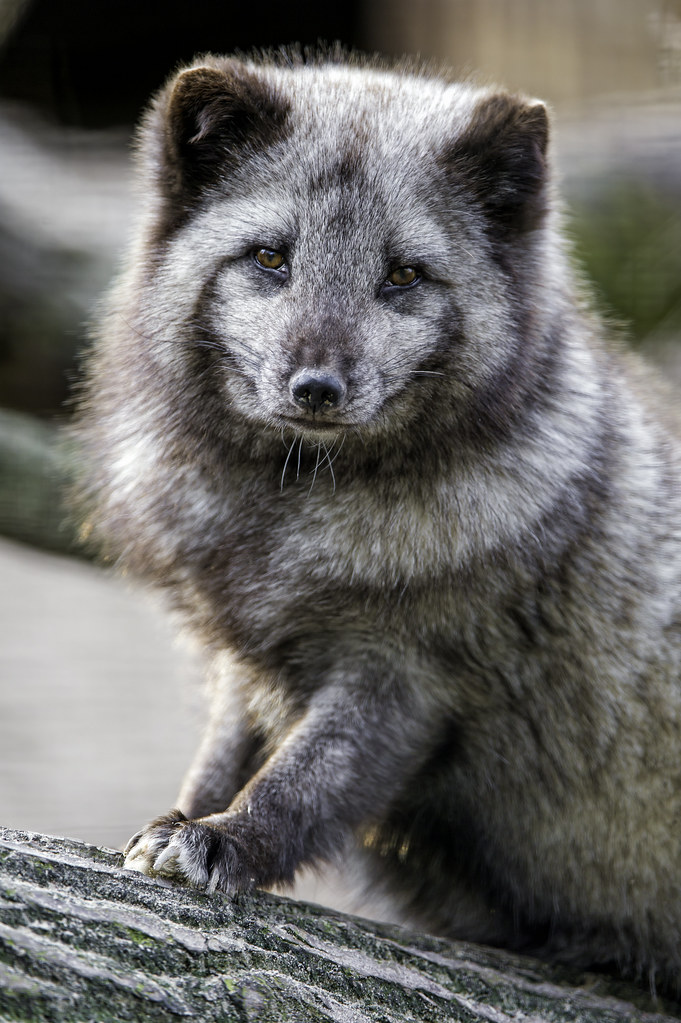
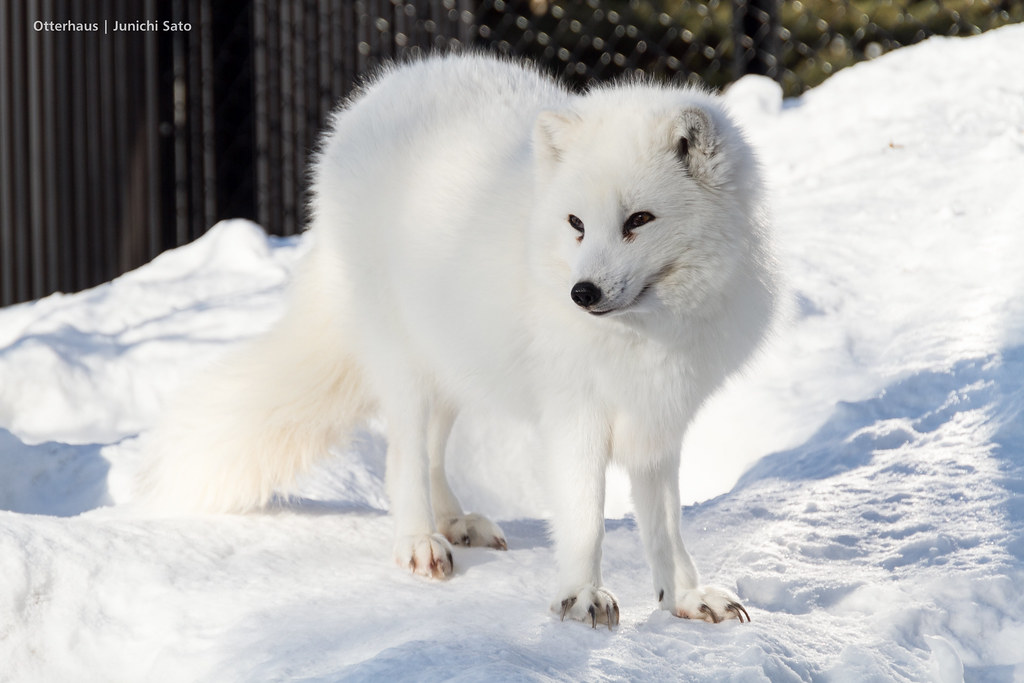
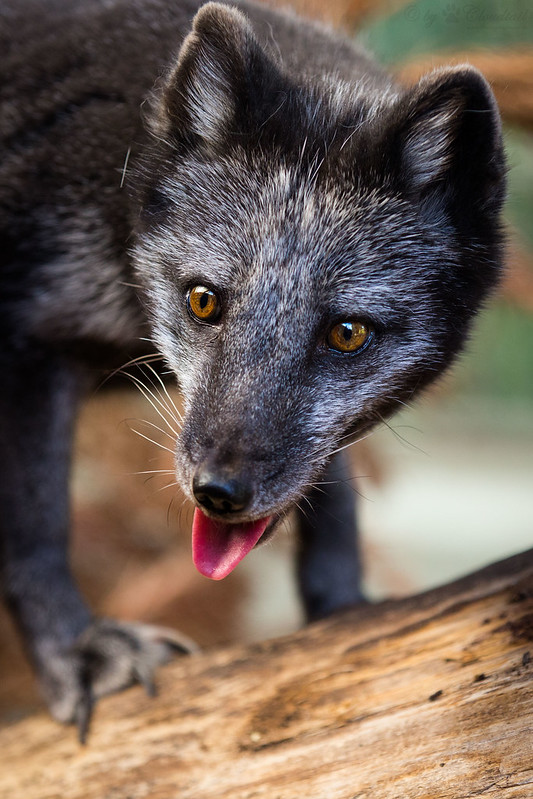
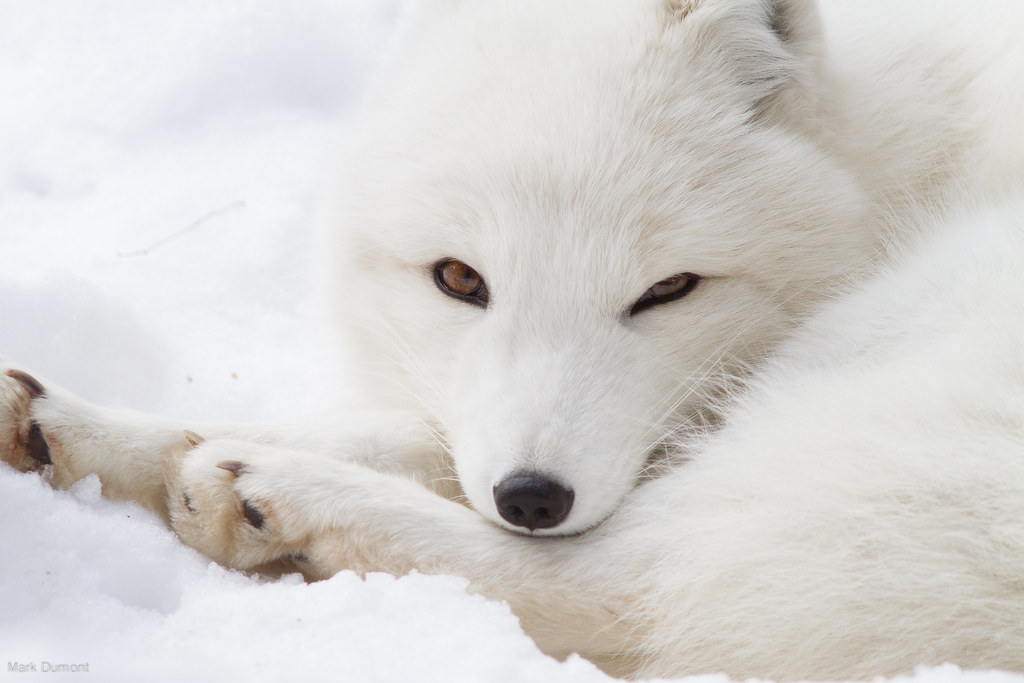
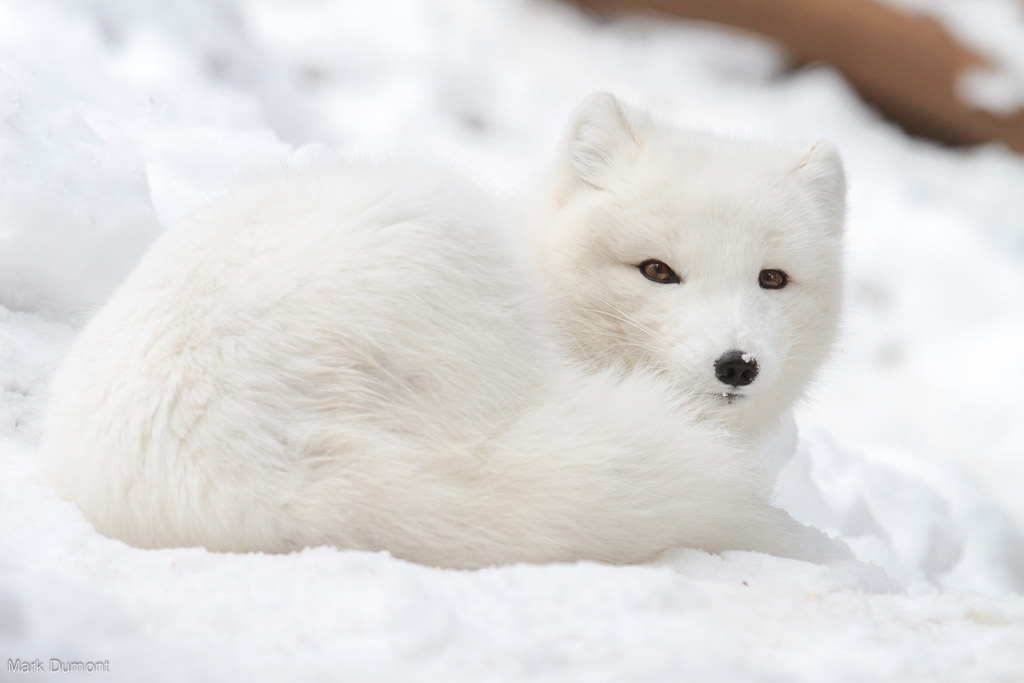
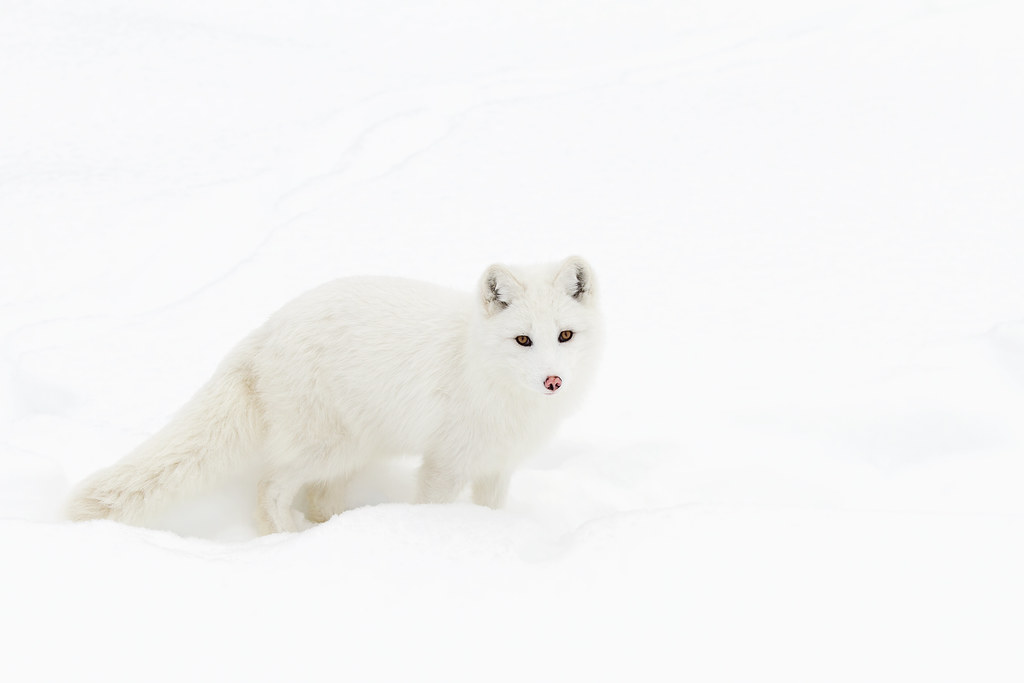
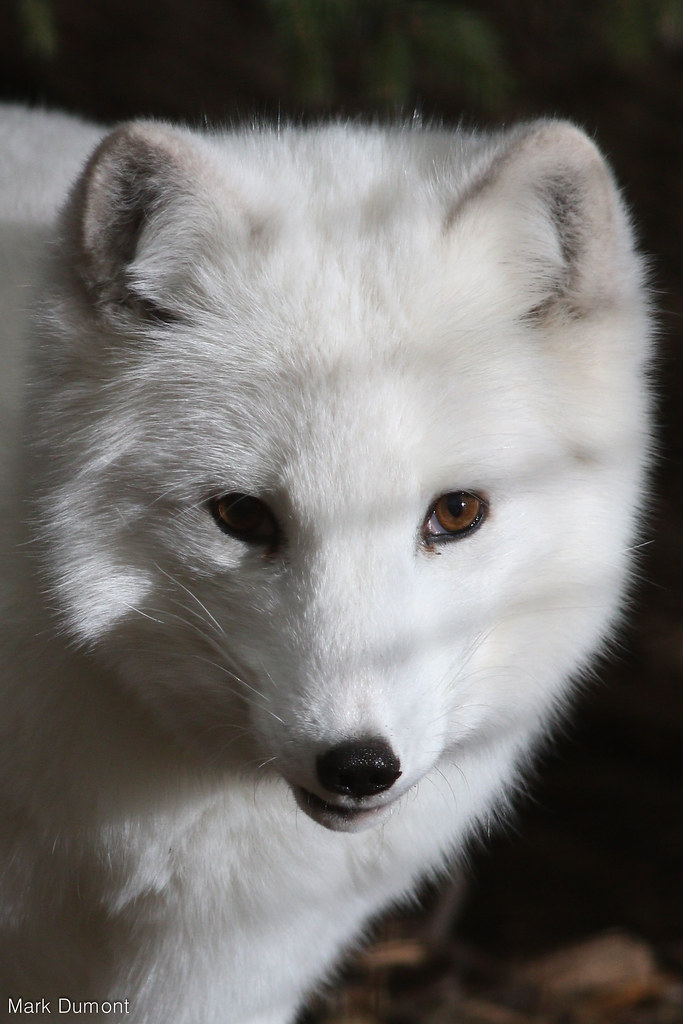
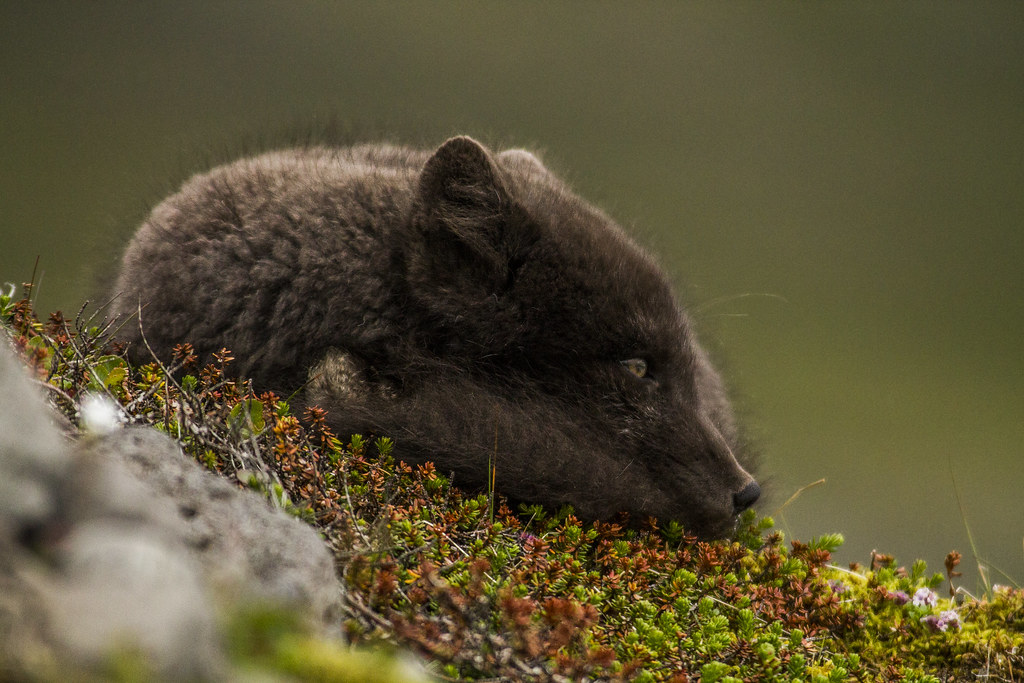
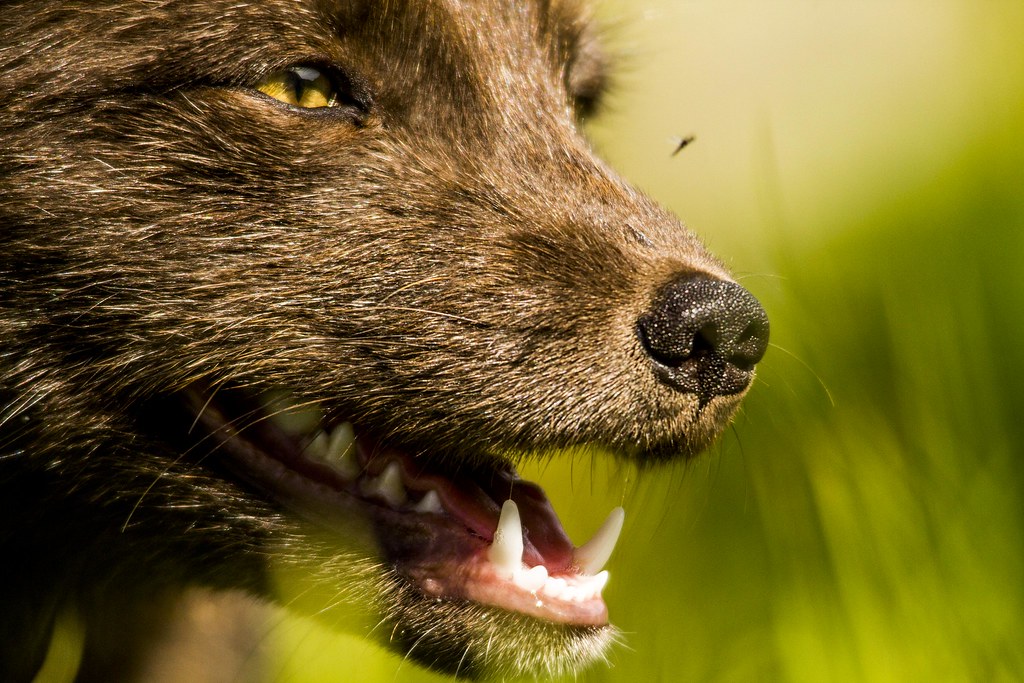
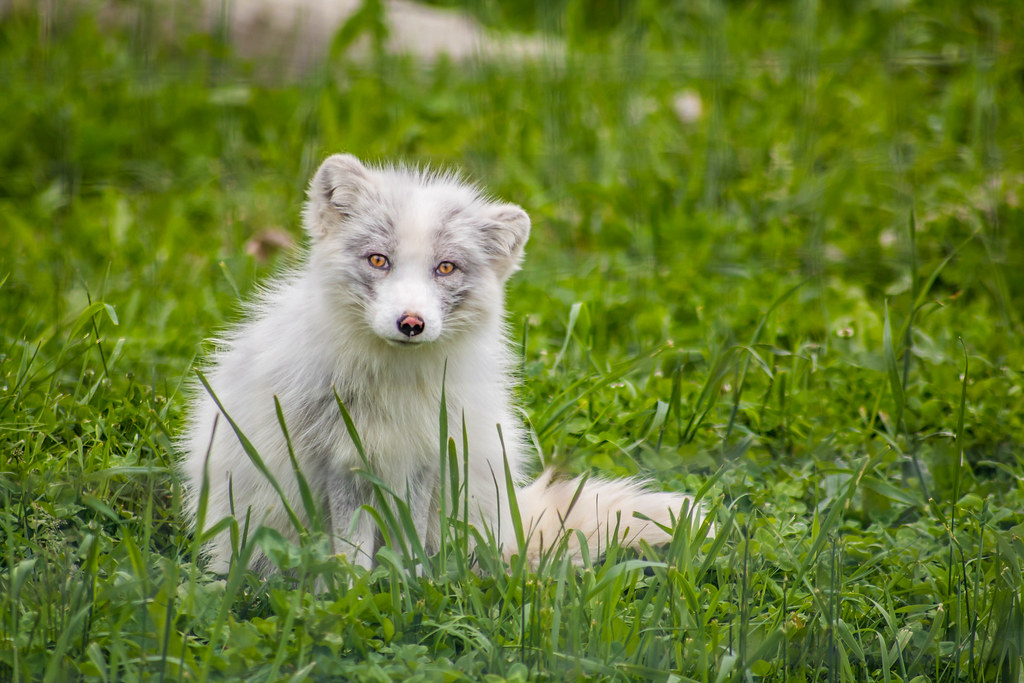
The little carnivores' colorful dens provide veritable oases in the tundra, a new study says.
An Arctic fox appears at the entrance of its den in Alaska's Arctic National Wildlife Refuge.
Photograph by Daniel J. Cox
Barrow, AlaskaThe underground homes, often a century old, are topped with gardens exploding with lush dune grass, diamondleaf willows, and yellow wildflowers—a flash of color in an otherwise gray landscape.
“They’re bright green and everything around them is just brown,” says
Brian Person, a wildlife biologist for the North Slope Borough in Barrow, Alaska. “It pops.”
He’s talking about a
rctic fox dens.
Person has spent the better part of a decade studying the wide-ranging carnivores' movements throughout northern
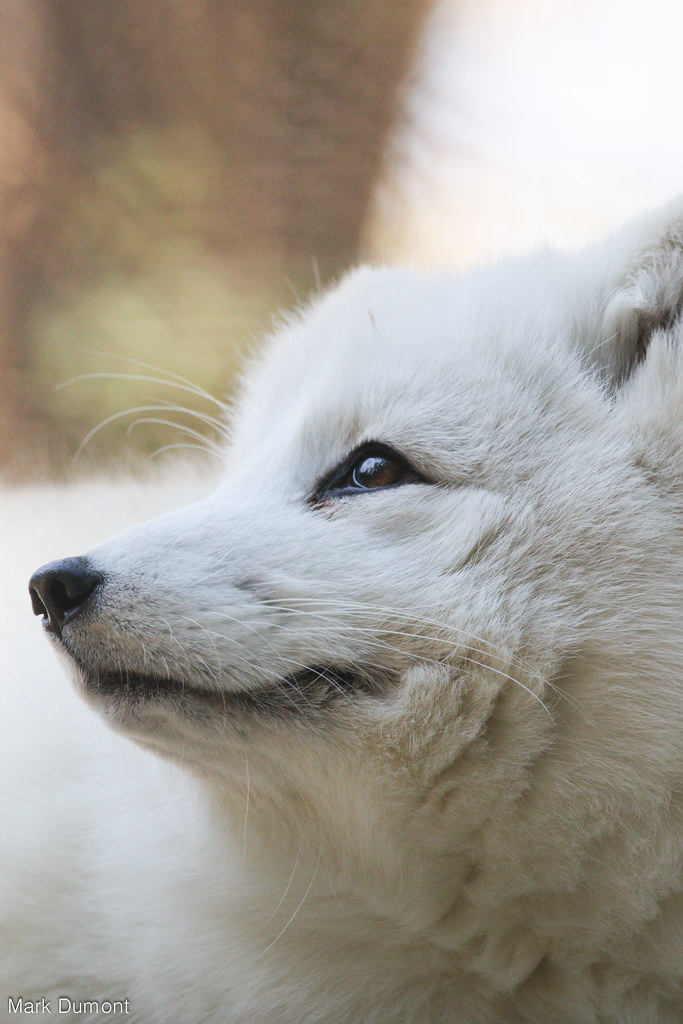
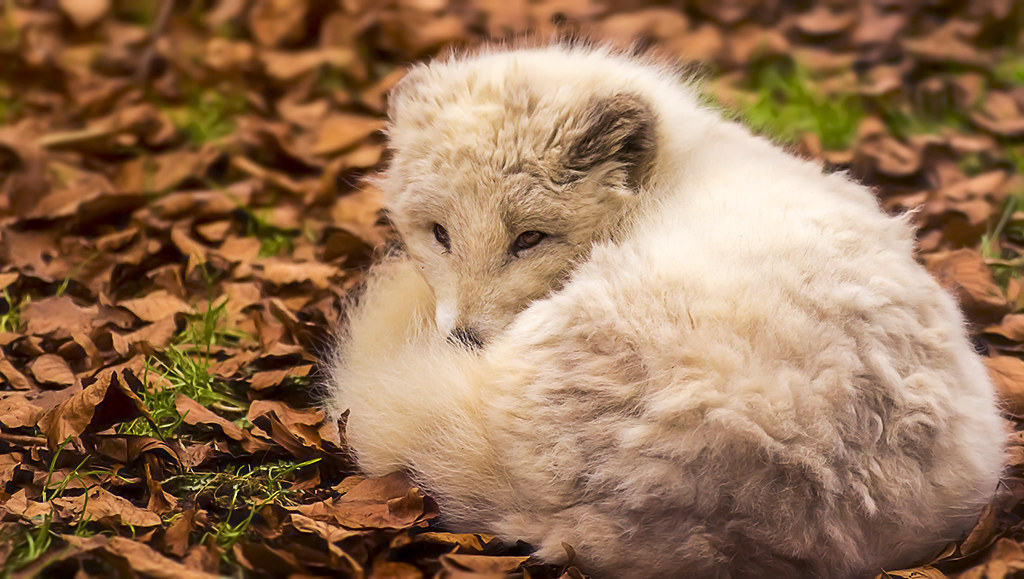
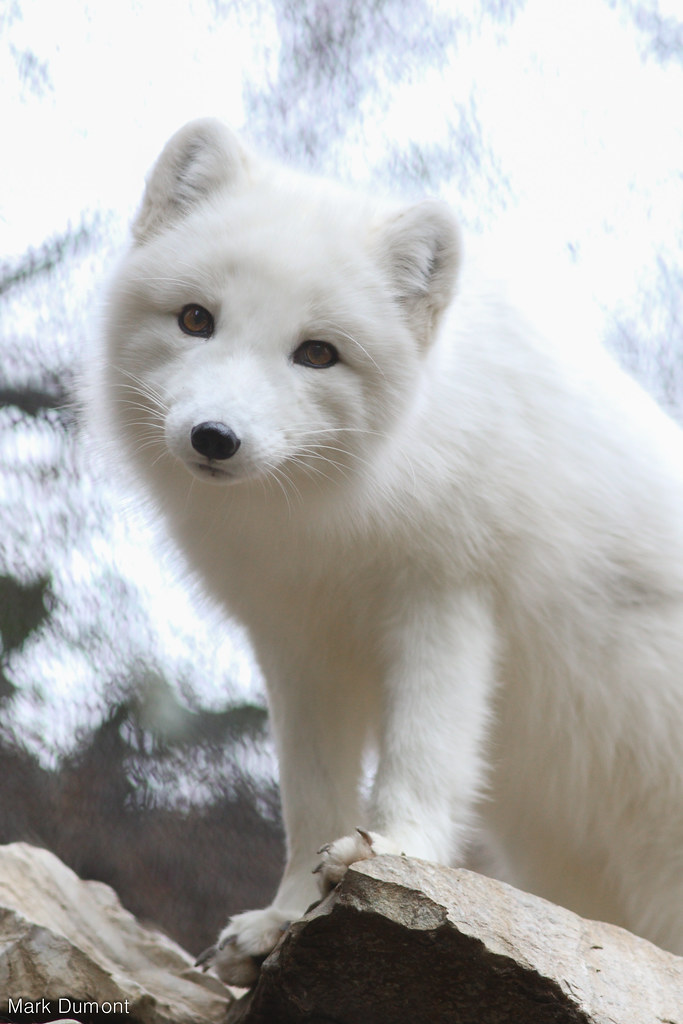
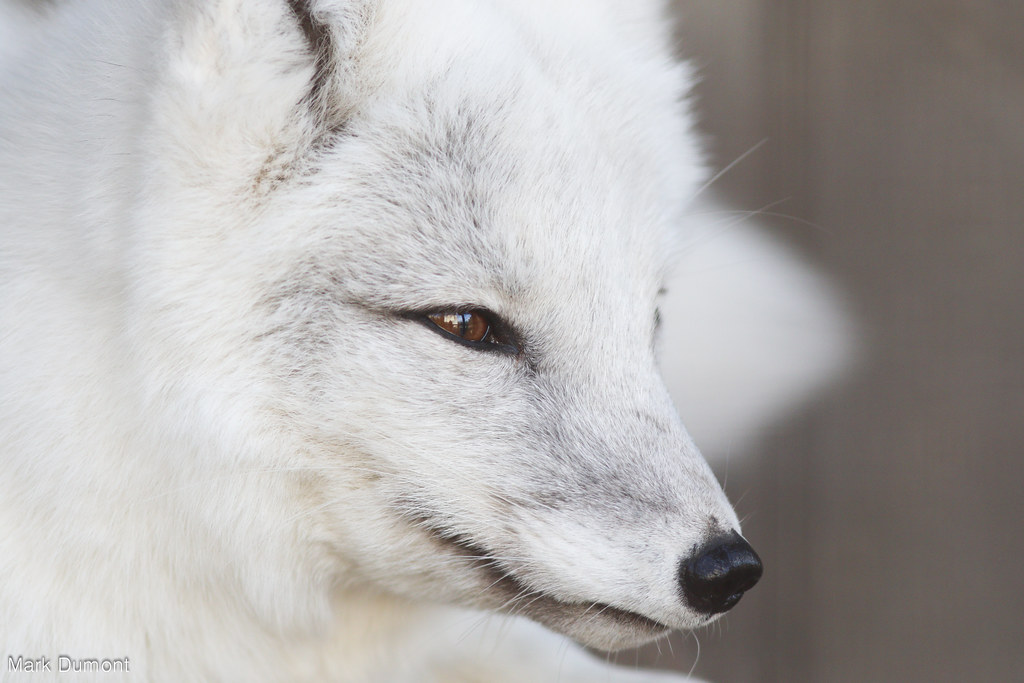
Alaska. The 6-to-12-pound (3-to-5-kilogram) foxes, which prey mostly on lemmings and small game, are found throughout the circumpolar Arctic, from Alaska and Canada all the way into Europe and Greenland.
He's
tracked satellite-collared foxes that have traveled as far east as the
Chukchi Sea (map) before doubling back and hopping sea ice until they’ve skirted the coast of neighboring Siberia.
But arctic foxes move too quickly to follow in real time, and Person only receives their GPS location every three days. That makes the colorful fox dwellings the key to better monitoring the population—and how they fit into the Arctic environment.
Peering down from a fixed-wing aircraft, the splashes of green “allow me to estimate just how many dens are out there," he says. “These animals are fertilizing and basically growing a garden."
Gardens that create such a stark contrast on the tundra that scientists who
recently published the first scientific study on the dens have dubbed the foxes "ecosystem engineers."
Conducted in 2014 near Churchill, Manitoba, the experiments revealed that the foxes' organic waste supports almost three times as much botanical biomass in summer months as the rest of the tundra.
How a Fox Garden Grows
During the long, dark Arctic winter, the tundra fades into an opaque world where sky and ground blend into a never-ending haze.
With temperatures that dip into the double-digit negatives, the only place for the foxes to take shelter and protect young from the elements—and other predators—is deep underground. (
Read "Seasons of the Snow Fox" in National Geographic magazine.)
Some dens are over a century old, and the best are elevated: ridges, mounds, riverbanks. But with so much permafrost—frozen ground—and such a flat environment, prime sites can take years to develop.
And since digging new homes wastes valuable energy, real estate is limited—so foxes reuse locations—and in a strange time-share, foxes sometimes steal sites belonging to ground squirrels.
With litters averaging about eight to 10 pups—some as high as 16—the foxes deposit high amounts of nutrients in and around their dens, a combination of urination, defecation, and leftover kills.
In winter, foxes don’t drink water or eat snow or ice, which lowers their core temperature. Instead they get water from their food, which concentrates nutrients in their urine, making it more potent.
Tundra Oases
These tundra oases are beyond just being postcard beautiful: They boost the Arctic environment.
And that means more food options in a place without many, says
Jim Roth of the University of Manitoba, a co-author on the recent study.
Greater plant diversity gives herbivores a spot to forage during short summers, he explains. (See
National Geographic photos of Arctic animals.)
“Lots of other species visit these dens,” adds Roth, who has been studying arctic foxes since 1994. “Caribou and other herbivores are attracted to the lush vegetation, and scavengers come looking for goose carcasses.”
Winter Wonder
Arctic fox gardens occur throughout the Arctic, says Person, who isn’t shy about his respect for the animal and its abilities.
In times of plenty, the canids can
cache as many as 104 snow goose eggs a day, another unsung nutritional boost to the land—and opportunistic scavengers. ("
Watch Polar Bears Eat Goose Eggs in Warmer Arctic.")
With short ears and snout—which requires less energy to heat—as well as a heavily insulated coat, the species is perfectly adapted to winter, Person says.
So well, in fact, that scientists have been unable to get the animals to shiver in laboratory chambers—
even when they drop temperatures to -40ºC.
"They’re incredibly efficient. I’ve seen them running and it’s almost like they’re not touching the ground.”
Polar bears may get more attention as the Arctic’s top predator, but an animal a fraction of their size might in fact be pound-for-pound the more impressive beast.
source