- Date:
- March 21, 2016
- Source:
- Colorado State University
- Summary:
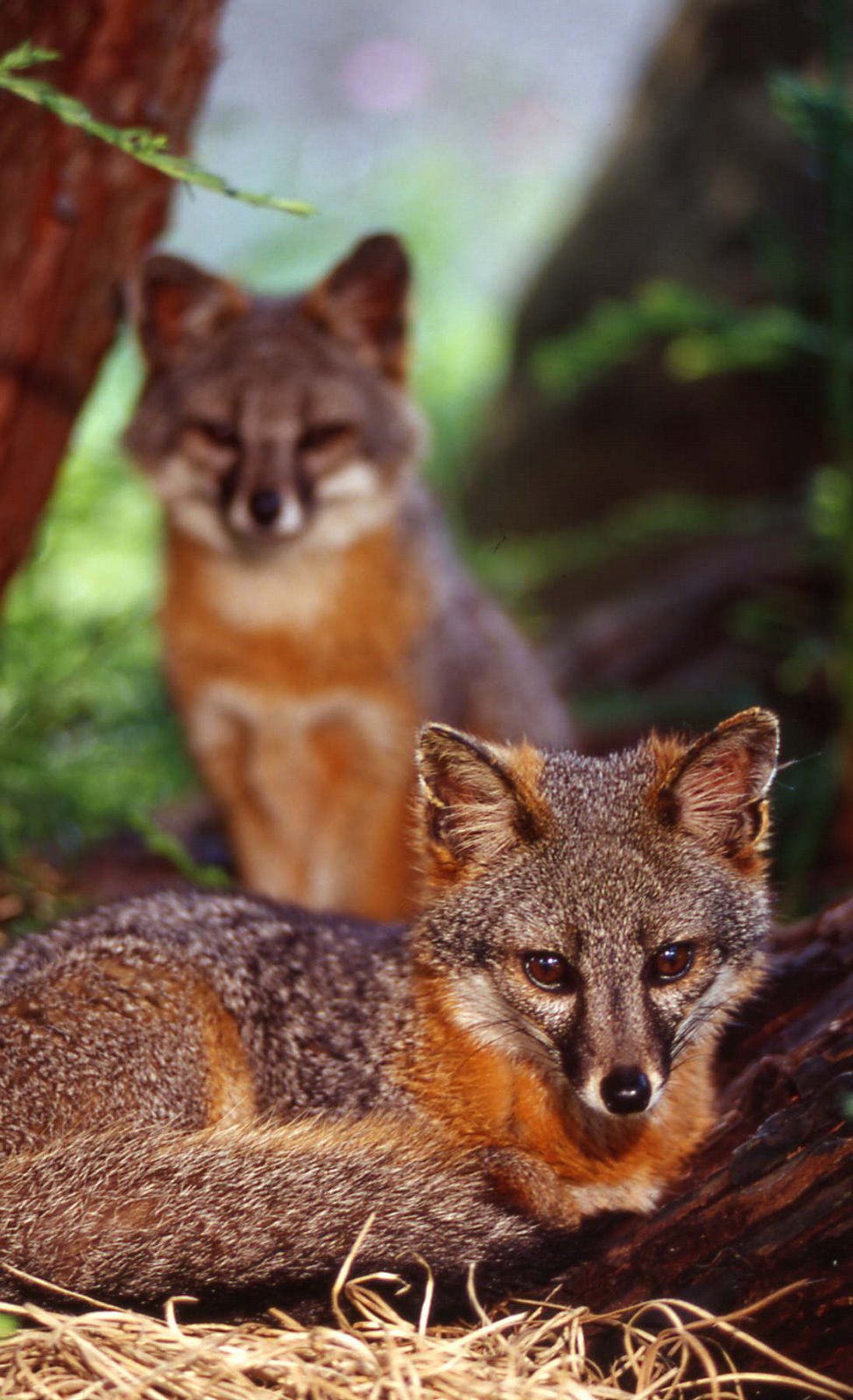
- The island fox has made a remarkable comeback from the brink of extinction, with three of six populations on their way to becoming the fastest mammal recovered under the Endangered Species Act. But new research uncovers a hidden danger to the future viability of some island fox populations.
The island fox has made a remarkable
comeback from the brink of extinction, with three of six populations on
their way to becoming the fastest mammal recovered under the Endangered
Species Act. But new research published online March 17 in Molecular Ecology uncovers a hidden danger to the future viability of some island fox populations.
Chris Funk, associate professor in the College of Natural Sciences'
Department of Biology, led the research team that conducted the largest
and most in-depth genetic study to date of California Channel Island
foxes. Funk is also director of the SoGES (School of Global
Environmental Sustainability) Global Biodiversity Center at CSU. The
study confirmed that each island's fox population likely warrants
designation as a unique subspecies. But it also found that one
subspecies, on San Nicolas Island, may require genetic rescue to reduce
its risk of extinction.
The San Nicolas Island fox has the lowest genetic variation ever found in a mammal species, making them especially vulnerable. "Low genetic diversity may lead to lower survival and reproductive success, and may reduce the ability of a population to adapt to climate change or new, introduced diseases," Funk said. "With a dwindling population of fewer than 300 adults, actions need to be taken quickly to preserve this important member of the Channel Islands ecosystem."
The scientists say that if this subspecies' genetic health is poor, it may be necessary to use "genetic rescue," bringing island fox individuals from other islands to boost the San Nicolas gene pool. This approach has been successfully implemented in the past to save populations from extinction, including the resuscitation of the Florida panther back in 1995.
The island fox is the smallest fox species in the U.S and found on six of the eight California Channel Islands. Four of the six fox subspecies (not including the San Nicolas population) were listed as endangered under the U.S. Endangered Species Act in 2004 due to precipitous population declines caused by predation by golden eagles and an epidemic of canine distemper virus. Since then, concerted efforts by various island managers enabled island fox numbers to recover sufficiently that the U.S. Fish & Wildlife Service plans to remove or move them down the list.
"The recent island fox recovery was the result of an impressive collaboration of scientists and land managers. It may now be time to examine whether unconventional methods like genetic rescue are needed for the San Nicolas Island fox," said Scott Morrison, The Nature Conservancy's director of science and a coauthor of the study.
If managers decide that genetic rescue is necessary to maintain robust populations of island foxes, this study can be used to inform which island fox subspecies would be the best source population.
Robert Lovich, a U.S. Navy biologist in California and a coauthor of the study, said: "Long-term monitoring of the island fox and new genomic technologies now give us the capacity for proactive management with far greater precision and a better expected outcome for island foxes in general."
The San Nicolas Island fox has the lowest genetic variation ever found in a mammal species, making them especially vulnerable. "Low genetic diversity may lead to lower survival and reproductive success, and may reduce the ability of a population to adapt to climate change or new, introduced diseases," Funk said. "With a dwindling population of fewer than 300 adults, actions need to be taken quickly to preserve this important member of the Channel Islands ecosystem."
The scientists say that if this subspecies' genetic health is poor, it may be necessary to use "genetic rescue," bringing island fox individuals from other islands to boost the San Nicolas gene pool. This approach has been successfully implemented in the past to save populations from extinction, including the resuscitation of the Florida panther back in 1995.
The island fox is the smallest fox species in the U.S and found on six of the eight California Channel Islands. Four of the six fox subspecies (not including the San Nicolas population) were listed as endangered under the U.S. Endangered Species Act in 2004 due to precipitous population declines caused by predation by golden eagles and an epidemic of canine distemper virus. Since then, concerted efforts by various island managers enabled island fox numbers to recover sufficiently that the U.S. Fish & Wildlife Service plans to remove or move them down the list.
"The recent island fox recovery was the result of an impressive collaboration of scientists and land managers. It may now be time to examine whether unconventional methods like genetic rescue are needed for the San Nicolas Island fox," said Scott Morrison, The Nature Conservancy's director of science and a coauthor of the study.
If managers decide that genetic rescue is necessary to maintain robust populations of island foxes, this study can be used to inform which island fox subspecies would be the best source population.
Robert Lovich, a U.S. Navy biologist in California and a coauthor of the study, said: "Long-term monitoring of the island fox and new genomic technologies now give us the capacity for proactive management with far greater precision and a better expected outcome for island foxes in general."
Story Source:
The above post is reprinted from materials provided by Colorado State University. Note: Materials may be edited for content and length.
The above post is reprinted from materials provided by Colorado State University. Note: Materials may be edited for content and length.
Journal Reference:
- W. Chris Funk, Robert E. Lovich, Paul A. Hohenlohe, Courtney A. Hofman, Scott A. Morrison, T. Scott Sillett, Cameron K. Ghalambor, Jesus E. Maldonado, Torben C. Rick, Mitch D. Day, Nicholas R. Polato, Sarah W. Fitzpatrick, Timothy J. Coonan, Kevin R. Crooks, Adam Dillon, David K. Garcelon, Julie L. King, Christina L. Boser, Nicholas Gould, William F. Andelt. Adaptive divergence despite strong genetic drift: genomic analysis of the evolutionary mechanisms causing genetic differentiation in the island fox (Urocyon littoralis). Molecular Ecology, 2016; DOI: 10.1111/mec.13605
Colorado
State University. "Island foxes may need genetic rescue." ScienceDaily.
ScienceDaily, 21 March 2016.
<www.sciencedaily.com/releases/2016/03/160321110458.htm>.
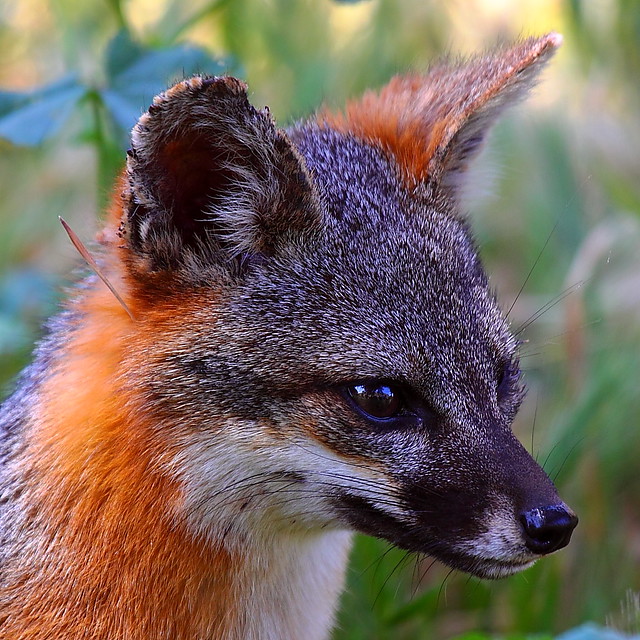
Santa Cruz Island Fox, Channel Islands National Park by I-Ting Chiang